
bullet proof glass company
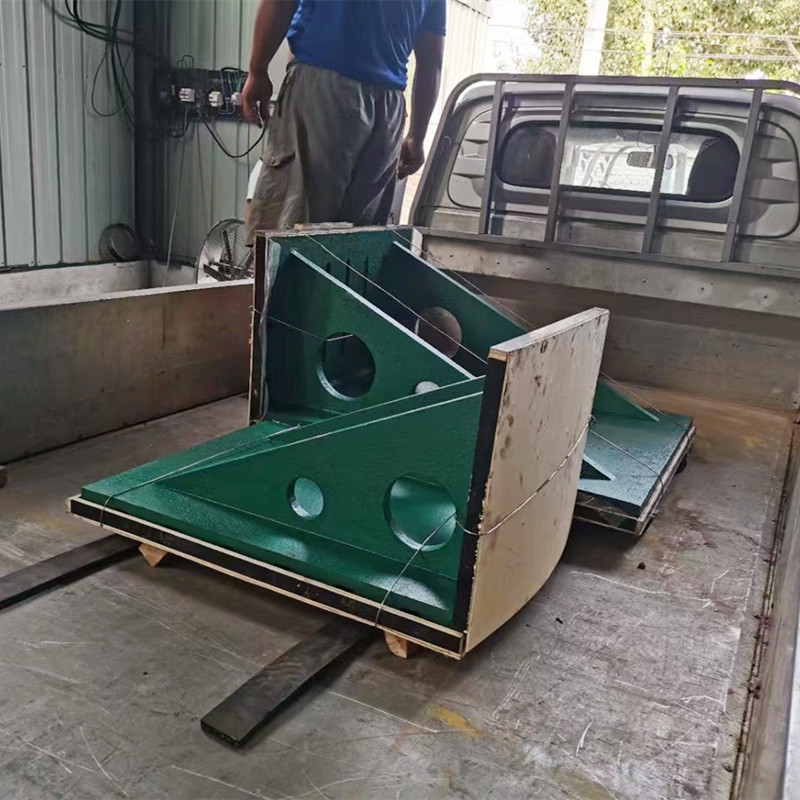
Precision Welding The Cornerstone of Manufacturing Excellence In the realm of advanced manufacturing and engineering, precision welding stands as a pivotal process, enabling the creation of robust, reliable, and intricately designed components that form the backbone of various industries. A precision welding table, therefore, is more than just a piece of workshop furniture—it's an essential tool in achieving unparalleled accuracy and repeatability in welding applications. This article delves into the significance of precision welding tables, their design features, and how they contribute to enhancing productivity and quality in today's demanding fabrication environments. **The Heart of Precision** At its core, precision welding involves joining materials, typically metals, with meticulous attention to detail, ensuring minimal distortion and absolute conformity to design specifications. This level of precision is crucial in industries like aerospace, automotive, medical devices, and renewable energy, where even minute deviations can compromise structural integrity or functionality. A precision welding table serves as the stable platform upon which these intricate operations take place, equipped with features tailored to facilitate meticulous weld placement and control over working conditions. **Design Features That Make a Difference** A well-designed precision welding table incorporates several key attributes to enhance welding accuracy 1. **Stability & Rigidity** Constructed from heavy-duty steel or reinforced alloys, these tables withstand the intense heat and pressure associated with welding while maintaining their form, ensuring that workpieces remain stable during the process. 2. **Modularity & Adjustability** Modular clamping systems and adjustable fixtures enable precise alignment and securing of workpieces, accommodating a wide range of shapes and sizes. This adaptability is vital for complex assemblies, allowing for repeatable setups and minimizing setup times. 3. **Magnetic Pads or Grids** Some precision tables incorporate magnetic surfaces or grids that securely hold ferrous materials without the need for additional clamps, further streamlining the setup process and reducing potential warping from excessive clamp pressure. 4 4 4 4 precision welding table . **Precision Measuring Tools** Integrated rulers, angle guides, and leveling instruments facilitate accurate measurements and positioning, ensuring weld seams align perfectly to blueprints. 5. **Vibration Dampening** Advanced designs may include vibration dampening features to minimize disturbances that could affect weld quality, especially when working with sensitive materials or intricate geometries. **Enhancing Productivity and Quality** The implementation of a precision welding table significantly contributes to both productivity and quality control within manufacturing facilities - **Reduced Rework** By ensuring accurate weld placement from the outset, these tables minimize the need for rework, saving time and resources. - **Increased Efficiency** With quick setup and adjustment capabilities, operators can switch between tasks rapidly, optimizing workflow and throughput. - **Consistent Outcomes** Repeatable setups lead to consistent welding results, critical for meeting stringent industry standards and customer expectations. - **Worker Comfort and Safety** Proper ergonomics in table design reduce operator fatigue and risk of injury, fostering a safer and more productive work environment. **Conclusion** In the quest for manufacturing excellence, precision welding tables are indispensable assets. They embody the synthesis of innovative design, advanced materials, and a deep understanding of the complexities inherent in high-precision welding tasks. As technology continues to advance, so too will the capabilities of these tables, further pushing the boundaries of what can be achieved in terms of accuracy, efficiency, and overall product quality. In essence, investing in a precision welding table is not just about acquiring a tool; it’s a commitment to achieving the highest standards in modern manufacturing processes.
about
bullet proof glass company
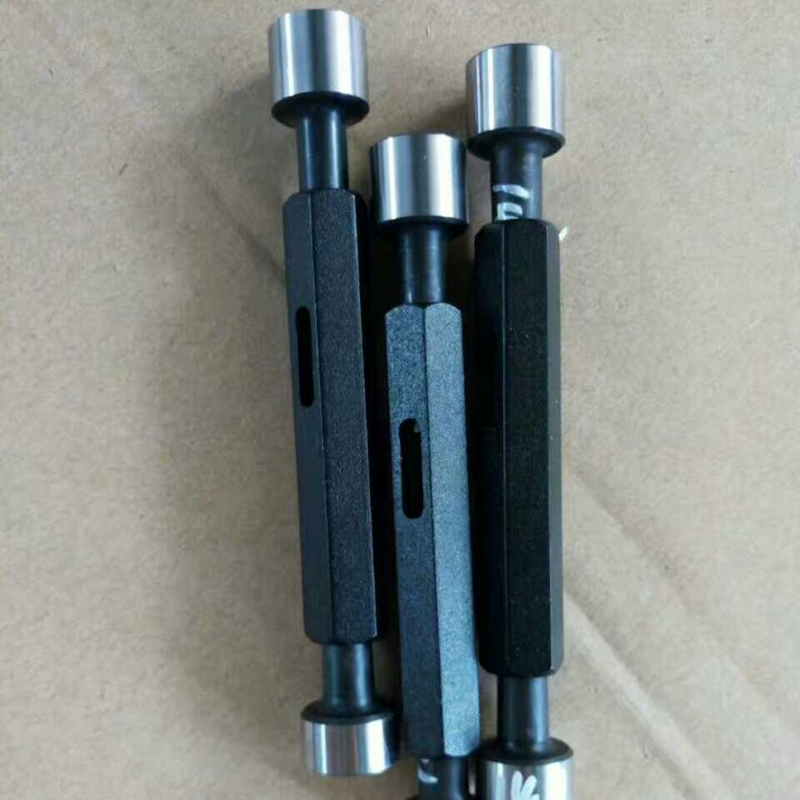
Understanding Thread Ring Gauge Go/No-Go Concept Thread measurements are critical in various engineering and manufacturing applications, ensuring that components fit together correctly and function as intended. One of the essential tools in this process is the thread ring gauge, which is used to verify the accuracy of threaded parts. This article delves into the function of thread ring gauges, particularly focusing on the Go/No-Go measurement concept. What is a Thread Ring Gauge? A thread ring gauge is a precision tool used to assess the dimensions and precision of external threads on cylindrical items such as screws, bolts, and other fasteners. These gauges come in different sizes and types, tailored to various thread standards, such as ANSI, ISO, or JIS. The gauge is designed in a ring shape that fits around the threaded part, allowing operators to easily check whether the threads are manufactured within specified tolerances. The Go/No-Go Measurement System The Go/No-Go system is a standardized method in manufacturing and quality control for determining if a part is acceptable according to dimensional specifications. This system employs two distinct gauging elements 1. Go Gauge This gauge is designed to fit onto the threaded part if it is within the acceptable range of specification. If the Go gauge fits, it indicates that the component is likely functional and meets the necessary criteria. 2. No-Go Gauge Conversely, the No-Go gauge is designed not to fit onto the threaded part if it is manufactured correctly. If the No-Go gauge passes over the threads, it indicates the part is out of specification, meaning it is either too large or too small. Importance of Go/No-Go Gauges The Go/No-Go gauges simplify the quality control process by providing clear, straightforward criteria for acceptance. Here are some key reasons why this method is so crucial thread ring gauge go no go - Efficiency The Go/No-Go method allows for rapid assessments of threaded parts without requiring detailed measurement instruments. It’s often quicker to test a part with a gauge than to measure specific dimensions with calipers or micrometers. - Binary Results The simplicity of the Go/No-Go system results in clear outcomes. Parts can be quickly categorized as acceptable or unacceptable, facilitating faster decision-making in production flows. - Reduces Errors The clear threshold between the acceptable Go gauge and the unacceptable No-Go gauge eliminates ambiguity during inspections. This reduces human error associated with interpreting dimensional measurements. - Cost-Effective By using thread ring gauges instead of more complex measuring devices, manufacturers can save costs while maintaining a high standard of quality control. Applications in Industry Thread ring gauges are used extensively in sectors such as aerospace, automotive, and machinery manufacturing, where the integrity of threaded connections is paramount. For instance, in aerospace applications, the tight tolerance on threaded components can be critical for safety and functionality. Manufacturers use Go/No-Go gauges to ensure that bolts and screws fit correctly, preventing potential failures that could arise from faulty parts. Similarly, in automotive assembly lines, a single defective threaded component could lead to assembly issues or even vehicle malfunctions. By implementing Go/No-Go standards, companies enhance their reliability and compliance with industry regulations. Conclusion In summary, thread ring gauges based on the Go/No-Go measurement system are invaluable tools in the manufacturing sector. They provide a clear, efficient, and reliable method for assessing the dimensional accuracy of threaded components. As industries continue to prioritize quality and precision, the use of such gauges will remain a critical aspect of manufacturing processes, ensuring safety and functionality in products across various applications. Understanding and correctly implementing the Go/No-Go concept can significantly enhance the quality assurance measures in any manufacturing setup, resulting in better products and increased customer satisfaction.
-

High quality industrial productsagement

High quality industrial products
View Details -

Meet the diverse needs of customers

Meet the diverse needs of customers
View Details -

Strict quality control

Strict quality control
View Details -

Top raw materials

Top raw materials
View Details -

Trusted supplier

Trusted supplier
View Details
Our application


news and information

vedenpaineventtiili
Vesipaineventtiili Teho, Toiminta ja Käyttökohteet Vesipaineventtiili on olennainen osa monia vesijä
Van bướm 6 inch chất lượng cao cho hệ thống ống nước
Van bướm 6 inch Giải pháp hoàn hảo cho hệ thống ống dẫn Trong ngành công nghiệp hiện đại, việc quản
water valve shut off
Navigating the complexities of home maintenance often involves understanding key components such as
 English